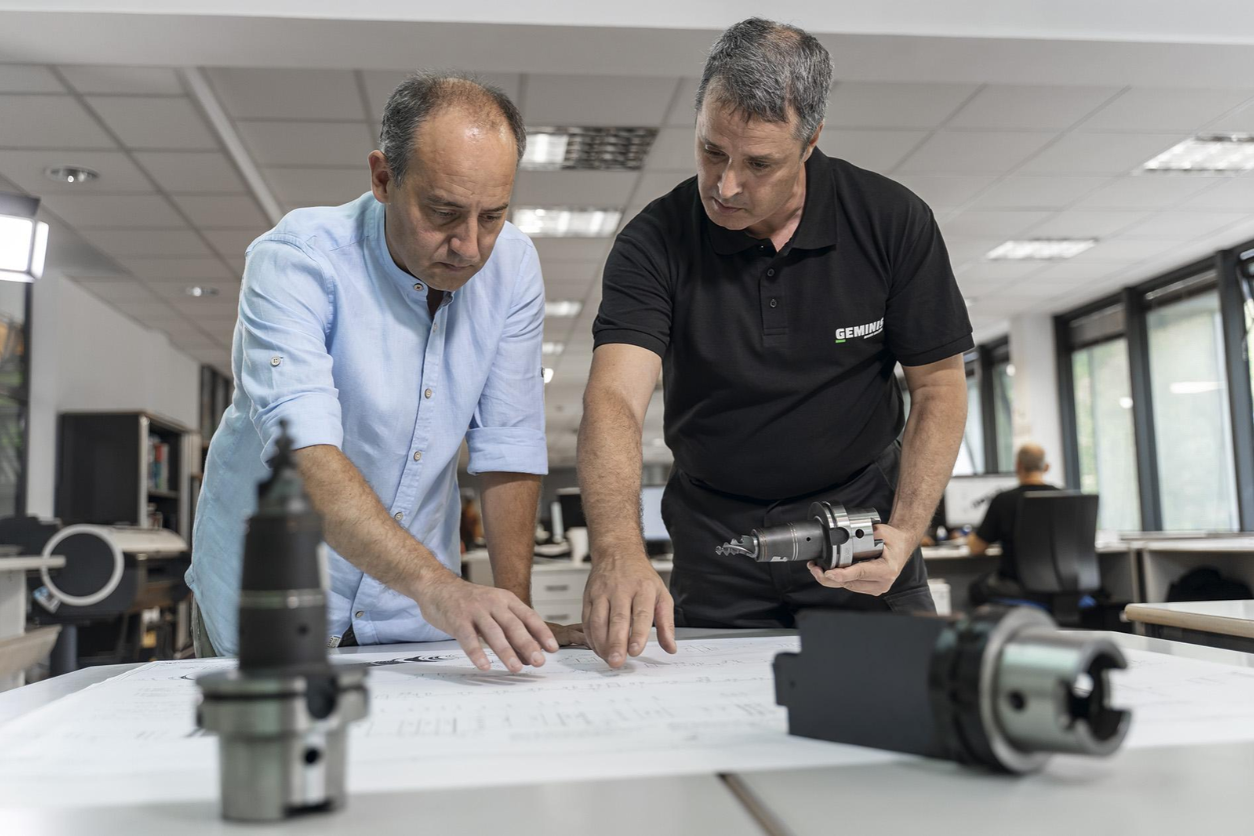
Experienced engineers do more than solve technical problems. They carry years of knowledge that organizations cannot easily replace.
Across engineering-intensive industries, workforce planning is becoming about more than filling open positions. Organizations must also consider what happens when their most experienced professionals retire, transition into new roles, or leave the workforce entirely.
For engineering leaders, the challenge is not simply replacing headcount. It is preserving the technical expertise, historical context, and institutional knowledge that keep complex projects moving forward.
Without a deliberate succession strategy, the departure of even a few key engineers can create significant operational challenges.
The Hidden Value of Engineering Experience
Engineering expertise develops over time through a combination of technical education, hands-on experience, and exposure to real-world challenges.
Senior engineers often possess knowledge that extends well beyond formal documentation or job descriptions. They understand why certain design decisions were made, which approaches have failed in the past, and how systems perform under conditions that may not be captured in standard procedures.
This experience becomes especially valuable in highly regulated or technically complex environments, including aerospace, defense, advanced manufacturing, semiconductor development, and industrial engineering.
When these professionals leave, organizations risk losing more than technical skills. They may also lose:
- Historical knowledge of systems, processes, and design decisions.
- Established relationships with customers, suppliers, and technical partners.
- Specialized troubleshooting and problem-solving experience.
- Mentorship and training capabilities for less experienced engineers.
- Critical context surrounding long-term projects and technical requirements.
As we explored in our previous article, The Bigger Threat Than AI? The Engineering Knowledge Transfer Crisis, replacing an experienced engineer does not automatically replace the knowledge that individual has accumulated.
Why Engineering Succession Planning Is Becoming More Important
Engineering organizations are navigating multiple workforce challenges simultaneously.
Experienced professionals are approaching retirement, specialized technical skills remain difficult to source, and emerging technologies continue to change the capabilities organizations need.
An industry discussion of why engineering talent is hard to find in 2026 identifies retirement pressures, increasingly specialized skill requirements, and competition for qualified professionals as factors affecting the engineering labor market.
At the same time, engineering projects are becoming increasingly complex, requiring professionals who can combine technical knowledge with sound judgment and cross-functional collaboration.
This creates a difficult situation for organizations that rely heavily on a relatively small number of senior technical experts.
When succession planning is delayed until a departure becomes imminent, there may be limited time to transfer knowledge, develop internal talent, or recruit qualified replacements.
The result can be longer project timelines, increased pressure on remaining employees, and disruptions to business continuity.
The Difference Between Replacing Talent and Preserving Knowledge
Traditional workforce planning often focuses on identifying future hiring needs.
Engineering succession planning requires a broader perspective.
Organizations must understand which employees hold critical technical knowledge, how that expertise is shared, and whether other team members are prepared to assume key responsibilities.
A successful approach should consider three areas:
1. Identify critical knowledge and potential workforce gaps.
Not every engineering position carries the same continuity risk. Leaders should evaluate which roles support essential systems, specialized processes, customer relationships, and long-term programs.
2. Create opportunities for knowledge transfer.
Mentorship, cross-training, technical documentation, and collaborative project assignments can help ensure that expertise is shared before experienced employees leave.
3. Build a proactive talent pipeline.
Recruiting and developing engineering talent before vacancies occur allows organizations to create overlap between experienced professionals and incoming team members.
This overlap can be particularly important when specialized engineering roles require extended onboarding or familiarity with complex technical environments.
Building a More Resilient Engineering Workforce
Succession planning should not be viewed as a one-time initiative tied exclusively to retirement.
It is an ongoing component of workforce strategy.
Engineering leaders should regularly assess the technical capabilities within their organizations and identify areas where knowledge is concentrated among a limited number of individuals.
They should also consider how evolving technologies may change future staffing requirements.
As highlighted in our article, Engineering Hiring in 2026: What Employers Need to Know to Keep Innovation Moving, specialized skill requirements and competition for qualified engineers are making proactive hiring strategies increasingly important.
A workforce strategy that combines internal development with external recruiting can help organizations address immediate hiring needs while strengthening long-term continuity.
Contract engineering professionals and specialized technical consultants may also provide valuable support during transitions, particularly when organizations need to maintain project momentum while permanent teams develop additional capabilities.
Looking Ahead: Engineering Continuity Requires Planning Today
The engineering succession problem is not just about the employees who may leave. It is about ensuring that the knowledge, expertise, and technical judgment they contribute remain available to the organization.
Companies that approach succession planning proactively will be better positioned to maintain operational continuity, support emerging technologies, and prepare the next generation of engineering leaders.
At Digital Prospectors, we understand the importance of connecting organizations with specialized engineering talent. Whether supporting immediate technical hiring needs or helping companies strengthen their workforce capabilities, our focus is on connecting the right expertise with the right opportunities.
As engineering workforce demands continue to evolve, organizations that invest in talent continuity today will be better prepared for the challenges ahead.
Looking to strengthen your engineering workforce? Connect with Digital Prospectors to discuss your technical staffing needs.